





















All-In-One video library & player for iOS/macOS/tvOS
...
Best local and net disk movie/tv player on Mac, creating a local personal media library.
Price reduced to Free Trial!
  • $29.99
  • 0
How to refund mac app store purchase?
  • Oka Assist
  • 2026-02-13 10:08:16


How to refund the Mac App Store purchase?

You can find the answer in this blog for those who asked these questions.

How do I get a refund from Mac App Store?

How do I cancel an in-app purchase?

How do you cancel an app purchase on Mac?

How do I regret a purchase in the App Store?

Like all the products you have bought in the real world, you can get a refund anytime you want in the AppStore. And you can request a refund directly from Apple. It is not just Apps; all the apple services, like the apps you have purchased from the App Store, the music from the iTunes Store, and even the books from the Apple Books, you can request a refund on any device with a browser.

Refund in a browser

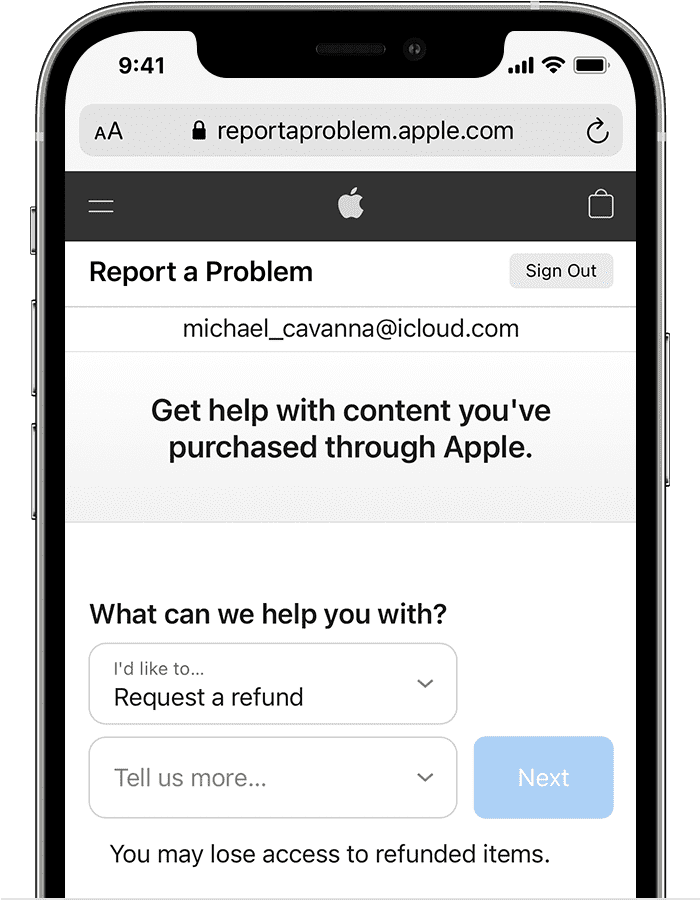
  1. To the reportaproblem.apple.com.

  2. Sign in with your Apple ID and password. ( Do use the Apple ID, which is used to buy the services from Apple)

  3. Tap or click "I'd like to."

  4. Choose "Request a refund."

  5. Choose the reason why you want a refund, then choose Next. This is very crucial information. If you are not happy with the app or game, please fill out the form with an exact reason why you should get a refund. But it is up to Apple's reviewer, and he might refund your money or not, depending on the issue.

  6. Choose the item or items that you bought, then choose Submit.
Refund in your iPhone or iPad

Apple hasn't built any links to problem reporting into iTunes Store or Apple Store, so is there any more convenient way to refund? The answer is yes. There are two ways.

  1. It is very similar to the "Refund in a browser". Find the email "Your receipt from Apple," sent from Apple when you bought an App or any music or books from Apple. Tap the receipt; you will find the link about "Report a Problem." Then follow the steps in the "Refund in a browser", and you will find it.

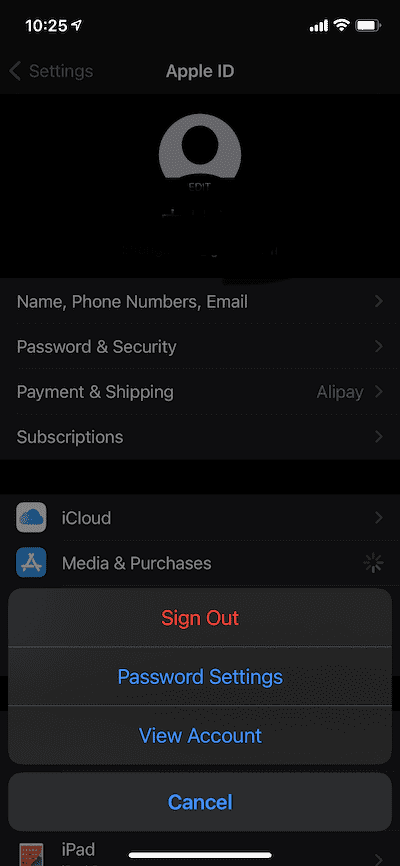
  2. If you have not found the email "Your receipt from Apple", open your iPhone/iPad "Settings" -> "Apple ID, iCloud, Media & Purchases" -> "Media & Purchases" -> "View Account", Then in the very bottom, you will find all the Purchase History, Subscriptions.

    find_account

    view_account

    Once you find the "Purchase History", find the order you want to refund, click it, then follow the steps, and you will submit your refund request to Apple.
Refund in your Mac

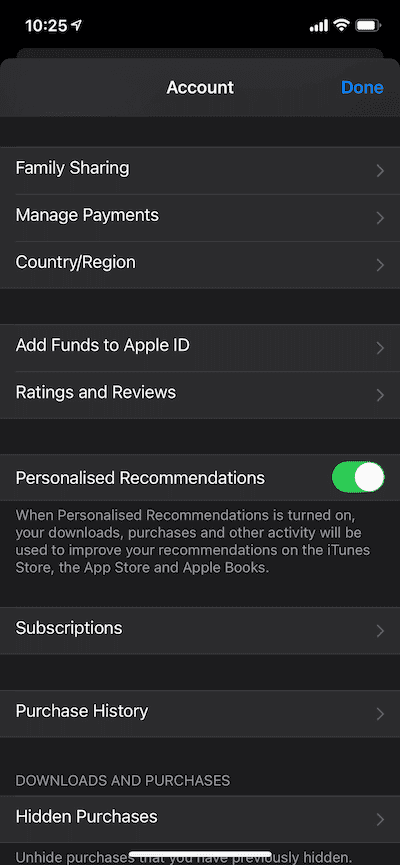
It is similar to the "Refund in your iPhone or iPad" steps. I would say it is the most convenient way. Just open the Mac AppStore, Click Account -> "View Information" -> "Manage", and you will find the purchased items. Find the items you want to refund, click the item, and you will find the "Report a Problem". Again once you see this, you can fill up the form to get a refund.
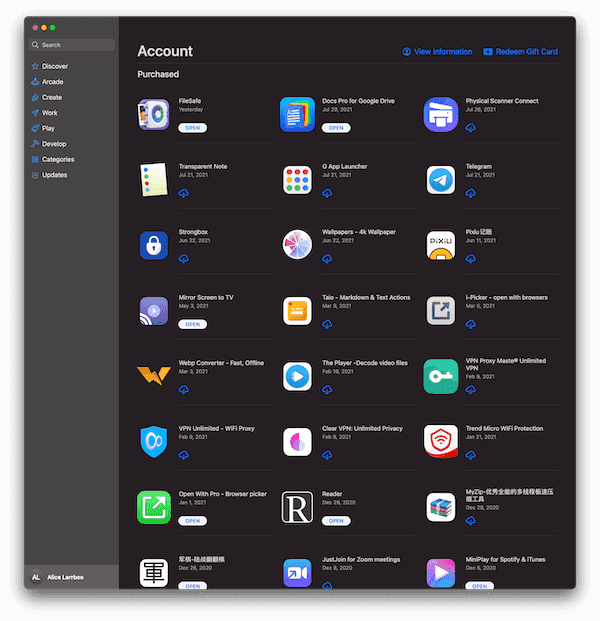
mac_account_result

You will get a response from Apple in a few days; the reviewer might or might not approve your refund request. By the way, do not request one refund multiple times; once you request it, the status will be changed. And if the charge is pending, you can not request a refund yet; you can request this once the order goes through.

Anyway, you also can find the detailed steps on Apple Support Page. In case they might change any actions in a later release.

Then, how to cancel the app store subscription? People might ask the below questions:

How do you cancel in-app purchases on iPhone/iPad/Mac?

How do you cancel and stop paying for an app?

Can you delete subscriptions on iPhone/iPad/Mac?

You can read other blogs for people who want to know to cancel a subscription. How to cancel a subscription from Apple?


Hottest Articles

Latest Articles

Mac System Data Exceeding 200GB? Here’s How to Actually Clear It — A Deep Dive with Heavy Keynote Usage and Time Machine as Examples I. Problem Overview After long-term use, some macOS users discover that “System Data” in Storage Settings grows abnormally large. Common symptoms include: System Data occupying 200GB or more https://cdn.okaapps.com/resource/图2.webp No corresponding files can be located in Finder Deleting caches or log files has little effect Third-party cleaning tools are ineffective Uninstalling and reinstalling apps (such as Keynote) does not help Even after reinstalling macOS, the issue reappears after some time This problem is especially common among heavy productivity users, such as those working extensively with Keynote, Final Cut Pro, or design tools. II. Commonly Tried but Ineffective Solutions Users typically attempt the following methods, most of which fail to solve the problem at its root: Manually deleting directories such as ~/Library/Caches and ~/Library/Logs Using third-party cleaning tools like CleanMyMac or similar utilities Uninstalling and reinstalling Keynote Reinstalling macOS via “Reinstall macOS” These approaches are limited because they do not address the real sources behind System Data inflation. III. What Exactly Is “System Data”? It is important to understand that: System Data is not a real folder, but rather a collection of data that macOS cannot accurately categorize. System Data may include, but is not limited to: macOS system temporary files Application and system caches Portions of the user Library (~/Library) Files Spotlight cannot classify Large resource files inside application packages Local caches from cloud services (such as iCloud or OneDrive) iPhone / iPad backup files Residual data from deleted user accounts Time Machine local snapshots As a result, System Data cannot be reliably inspected or reduced through simple cache deletion or Finder-based browsing. IV. Key Cause #1: Time Machine Local Snapshots Consuming Disk Space How Local Snapshots Work Even when no external drive or NAS is connected, macOS will: https://cdn.okaapps.com/resource/图3.webp Create a Time Machine local snapshot every hour Retain snapshots from the last 24 hours by default If the backup destination remains disconnected, keep local snapshots associated with the most recent full backup These snapshots: Are based on the APFS file system Do not appear as regular files Are entirely counted under System Data In some cases, local snapshots can consume tens or even hundreds of gigabytes. https://cdn.okaapps.com/resource/图4.webp Why They Sometimes Cannot Be Deleted When Time Machine uses a NAS or network storage device as its backup destination, the following situations may occur: The NAS was previously disconnected The network path or IP address changed The backup was not re-“claimed” by the system As a result, macOS may treat these snapshots as belonging to an unreachable backup destination, leading to: tmutil deletion failures Errors such as Stale NFS file handle Snapshots that cannot be reclaimed, causing persistent disk usage V. Key Cause #2: How Keynote and Similar Apps Amplify System Data Keynote itself is not malfunctioning, but its design inherently amplifies System Data usage: Keynote files are actually packages containing large numbers of resources These may include: High-resolution images Embedded videos Fonts Animation and transition assets Spotlight sometimes fails to correctly classify these resources, causing them to be grouped under System Data. For users who frequently create large, media-heavy presentations, steady growth in System Data over time is expected. VI. Effective Solutions (Prioritized) Solution 1: Verify and Restore Time Machine Backup Status (Recommended) Open Disk Utility From the menu bar, select Show APFS Snapshots Select the system Data volume Check whether a large number of Time Machine local snapshots exist If using a NAS as the backup destination: Reconnect the NAS Select the original backup in Time Machine settings Follow the prompts to claim the existing backup Once the backup relationship is properly restored, macOS can automatically manage and reclaim snapshot space. Solution 2: Use Disk Analysis Tools to Identify Real Space Usage It is recommended to use tools that analyze disk usage without automatically deleting files, such as: GrandPerspective EtreCheck The goal is to identify: Which files or directories consume the most space Whether disk usage is abnormally concentrated in specific areas Avoid relying on “one-click cleanup” tools. Solution 3: Check for Residual Data from Old User Accounts If the device previously: Had multiple user accounts Removed accounts without deleting their home folders Then old home directories may still exist and be counted as System Data. Solution 4: Rebuild the System Environment Completely (Last Resort) When System Data usage becomes severely unmanageable and no clear source can be identified, the only definitive solution is: Fully back up all current data Erase the disk and reinstall macOS During setup: Migrate only the user account Do not migrate system settings, applications, or Library data This approach completely removes legacy data structure issues. VII. Long-Term Prevention Tips (for Keynote and Content Creators) Archive older Keynote projects to an external drive or NAS Avoid storing large volumes of presentation files locally for long periods Keep the Time Machine backup destination consistently available Avoid third-party tools that perform automated “system-level cleaning” Periodically monitor disk usage with analysis tools VIII. Conclusion Abnormally large macOS System Data usage is rarely caused by a single cache or log issue. Instead, it is typically the result of Time Machine local snapshots, application package resources, and inherited historical data structures working together. Only by understanding what System Data actually contains—and addressing the root causes—can disk space issues be resolved effectively and long-term.